Diagnostic Services Offered by Stavan Eye Clinic
At our Ophthalmology Clinic, we are committed to delivering accurate and comprehensive diagnostic services to evaluate the health of your eyes and detect any potential issues early. Our team of highly skilled ophthalmologists, optometrists, and technicians utilizes state-of-the-art equipment and advanced techniques to provide you with the highest quality of care.
Our Diagnostic Services Include:
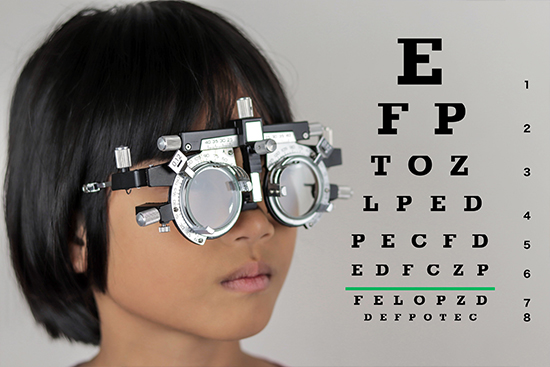
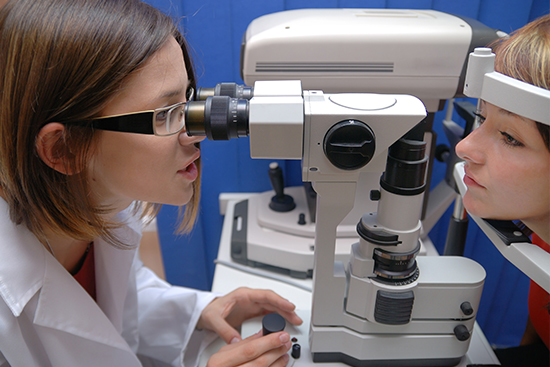
- Comprehensive Eye Examinations: A thorough eye examination is the foundation of good eye health. Our comprehensive exams assess visual acuity, refractive error, intraocular pressure, and the health of the internal and external structures of the eye. We use advanced tools such as slit-lamp biomicroscopy, retinal imaging, and visual field testing to provide a detailed evaluation.
- Optical Coherence Tomography (OCT): OCT is a non-invasive imaging technique that produces high-resolution cross-sectional images of the retina, optic nerve, and other structures within the eye. It is invaluable for diagnosing and monitoring conditions such as macular degeneration, diabetic retinopathy, and glaucoma.
- Fundus Photography: Digital fundus photography allows us to capture detailed images of the back of the eye, including the retina, macula, and optic nerve. These images provide valuable information for the diagnosis and management of retinal diseases and other ocular conditions.
- Corneal Topography: Corneal topography is a diagnostic tool that maps the curvature and shape of the cornea. It is used to detect irregularities such as astigmatism, keratoconus, and corneal dystrophies, and to assist in the fitting of contact lenses and planning refractive surgery.
- Visual Field Testing: Visual field testing assesses the full extent of your peripheral vision. It is essential for detecting and monitoring conditions such as glaucoma, optic nerve disorders, and neurological diseases that affect vision.
- Intraocular Pressure Measurement: Elevated intraocular pressure is a risk factor for glaucoma. We use various methods, including Goldmann applanation tonometry and non-contact tonometry, to accurately measure intraocular pressure and monitor changes over time.
- Pachymetry: Pachymetry measures the thickness of the cornea, which is important for assessing conditions such as glaucoma and planning refractive surgery. It is also used to monitor corneal thickness changes associated with conditions such as keratoconus and corneal edema.
- Dry Eye Evaluation: Dry eye syndrome is a common condition that can cause discomfort and vision disturbances. Our clinic offers specialized testing, including tear film evaluation, tear osmolarity testing, and meibomian gland assessment, to diagnose and manage dry eye effectively.
Why Choose Us for Diagnostic Services?
- Accuracy and Precision: We utilize advanced diagnostic technology and techniques to ensure accurate and precise evaluation of your eye health.
- Comprehensive Approach: Our comprehensive diagnostic services cover a wide range of eye conditions and provide valuable insights for personalized treatment planning.
- Experienced Team: Our team of ophthalmologists, optometrists, and technicians has extensive experience in performing diagnostic tests and interpreting results.
- Patient-Centered Care: Your comfort and well-being are our top priorities. We strive to provide a supportive and compassionate environment throughout the diagnostic process.
- Continued Monitoring: We believe in the importance of ongoing monitoring and follow-up care to track changes in your eye health and ensure timely intervention when needed.
Schedule Your Diagnostic Evaluation Today
Don't wait until symptoms arise to prioritize your eye health. Schedule a comprehensive diagnostic evaluation at our Ophthalmology Clinic today and take proactive steps towards preserving your vision for years to come.